

Adekunle is an academic and civic thinker committed to examining the foundations of democracy, constitutional governance, and the evolving relationship between citizens and the state. Grounded in a deep belief in the power of informed discourse, his writing aims to illuminate the principles, challenges, and aspirations of democratic systems—guiding citizens toward a deeper understanding of the roles and responsibilities of institutions within democratic government.
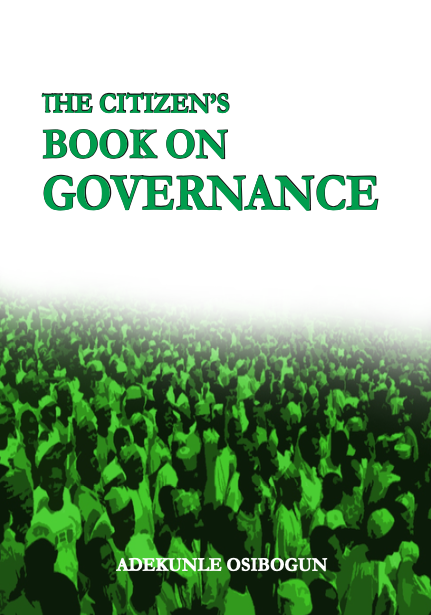
Drawing on a background in law and education, Adekunle offers accessible, thoughtful commentary on civic responsibility, institutional integrity, and the rule of law. With training in common law and dual qualification as a lawyer, he brings legal experience from across the Commonwealth to bear on his work. His first book, The Citizen’s Book on Governance, reflects this mission—bridging theory and practice to engage everyday citizens in democratic life.
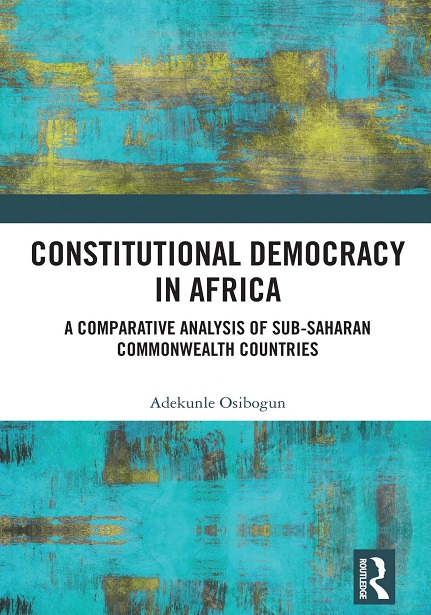
Adekunle’s most recent book, Constitutional Democracy in Africa, explores how constitutional frameworks within the Commonwealth are designed to curb governmental overreach and promote democratic accountability. His research spans constitutional and public law, with particular focus on governance structures, the separation of powers, and mechanisms of checks and balances.
Alongside his writing, Adekunle practices as a corporate lawyer and dispute resolution expert, with specialization in commercial litigation, arbitration, and investor-state disputes. His passion for learning fuels his continued contributions to education through teaching, mentoring, and legal research. Active in public service, he has served as Deputy Mayor of Buckingham Town and currently sits on the Buckinghamshire Council as Cabinet Member for Education and Children’s Services.
Known for his clarity of thought, perseverance, and commitment to service, Adekunle is regarded—locally and beyond—as a principled voice and a practical problem solver in times of challenge.
Connect with Dr. Adekunle Osibogun




Book Summary
Constitutional Democracy in Africa: A Comparative Analysis of Sub-Saharan Commonwealth Countries
Why do some democratic systems work better than others? Constitutional Democracy in Africa takes a close look at how constitutional systems across Commonwealth countries in Sub-Saharan Africa have developed—and how well they actually keep government power in check.
The book dives into the lasting impact of colonial rule, showing how old governance structures still shape political life today. It argues that many countries in the region face serious challenges when it comes to enforcing the separation of powers and building systems that hold leaders accountable.
Split into three parts, the book starts with the basics: what constitutional democracy means and how it’s supposed to work. Then it zooms in on real-life examples from selected countries, looking at how governments are structured and where things tend to break down. The final section compares different systems and offers practical ideas for how they can be improved.
Whether you’re a student of politics, a curious reader, or someone working in law or policy, this book offers fresh insights into how democracy can be made stronger—and fairer—across the region.
‘An insightful exploration of the development of constitutional democracy in some African countries, illuminating challenges and opportunities of checks and balances systems in respective constitutions. A must-read for anyone interested in constitutional law and governance in Africa.’
Hon. Justice Olabode Rhodes-Vivour, CFR JSC Nigeria (Rtd)
‘… it addresses some of the seemingly endless problems of the abuse of executive power in African states. Prof. Nwabueze made the point some 50 years ago when he noted that “Presidentialism in Africa has tended towards dictatorship and tyranny, not so much because of its great power as because of insufficient constitutional, political and social restraint upon that power”. To what extent this proposition still applies forms a core part of this book.’
Professor Dr John Hatchard, Scottsdale, Arizona, USA
‘A timely contribution to the evolving discourse on constitutionalism in Africa. With incisive analysis and a deep understanding of the continent’s legal traditions and political realities, it is an essential resource for scholars, practitioners, and policymakers committed to advancing democracy, governance and the rule of law on the continent.’
Hon. Justice Nancy Makokha Baraza, JSC Kenya (Rtd)
‘The Book would most certainly be of immense value to Legal Scholars, Practitioners and Jurists especially in the areas of strengthening the operations of our Constitution with regards to the Constitutional provisions for checks and balances amongst the 3 tiers of Government and the doctrines of separation of powers, which if properly harnessed would ultimately lead to the creation of strong and vibrant democratic institutions.’
Hon. Justice K.B. Olawoyin, OYSJ Nigeria
“In the larger context of an awakening and emergent resistance to constitutional democratic governance and to neo-colonialism in francophone West Africa, the hallmark of this book, in its comparative and eloquent narrative of the successes, shortcomings and pitfalls of constitutional democracy in anglophone Commonwealth Sub-Saharan Africa, is its courage, candour, clarity and insightfulness. It is timely, informative and instructive and a valuable compass and goldmine for academics, politicians, political scientists, historians, lawyers, policymakers, civil society activists and groups and students”.
Hon. Justice Babajide Candide-Johnson, LGSJ Nigeria (Rtd)
Judge Emeritus
‘It thoroughly examines the structural complexities, institutional dynamics, and doctrinal frameworks that shape the practice of constitutional democracy in post-colonial African states….The author’s emphasis on constitutional reforms and institutional accountability resonates deeply with current debates in judicial and political circles.’
Hon. Justice E. Esan, OYSJ Nigeria (Rtd)
‘The book approached each topic in a lucid and clear manner and with great brevity needed for a proper understanding of the 9 chapters discussed therein….. a timely intervention for the contemporary needs of researchers, scholars and practitioners on the subject. The comparative approach adopted by the author makes the work very unique, educative and stimulating.’
Hon. Justice I.S. Yerima, Chief Judge, OYSJ, Nigeria
| Country | Venue | Date |
| South Africa | Stellenbosch University | 27 – 29 Aug |
| Botswana | University of Botswana | 3 – 5 Sept |
| Namibia | University of Namibia | 10 – 12 Sept |
| England | University of Buckingham | 3 – 5 Nov |
| Nigeria | University of Ibadan | TBC |
| Ghana | University of Business and Integrated Development and Studies | TBC |
| Gambia | University of Gambia | TBC |
| Kenya | University of Nairobi | TBC |
| Rwanda | University of Kigali | TBC |
| Zambia | University of Zambia | TBC |
Previous Projects
‘The Citizen’s Book on Governance’ Creating Political Awareness Amongst Youths
The Citizen’s Book on Governance is a concise, practical guide to understanding democracy and system of governance, viewed through the lens of the Constitution of the Federal Republic of Nigeria. Written to inform and empower, the book helps readers—especially young people—grasp the roles of democratic institutions, the meaning of civic duties, and the importance of fundamental rights within a democratic society. At its core, the book encourages political awareness, promotes good governance, and calls on citizens—especially the youth—to become informed, engaged, and impactful citizens. It is both a civic resource and a call to action.
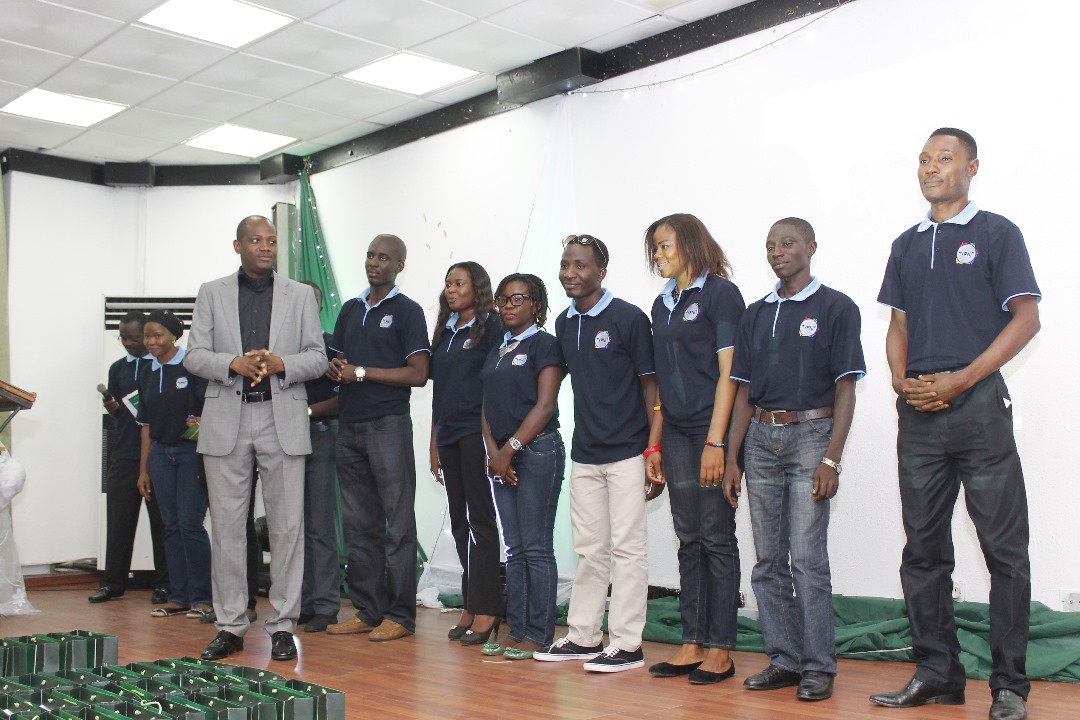
Project Awaken Nigerian Youths
Project ANY is a civic-driven initiative designed to mobilize, enlighten, and empower the youth to engage actively in governance, embrace the principles of good leadership, and champion positive change within their communities. The project is implemented by the YPNI—a non-partisan socio-political organization dedicated to promoting patriotism, unity, and civic responsibility among progressive-minded youths by fostering core values, cultural awareness, and a shared commitment to nation-building for a better future.
Get in touch
We’d love to hear from you! Whether you have a question about the book, would like to invite Adekunle for a talk or interview, or just want to share your thoughts—feel free to reach out using the form below.